Ahead of the opening of Konrad Mägi on 24 March, we have pulled together some of the key things you need to know about the artist.
He’s Estonia’s great modernist and largely unknown in the UK
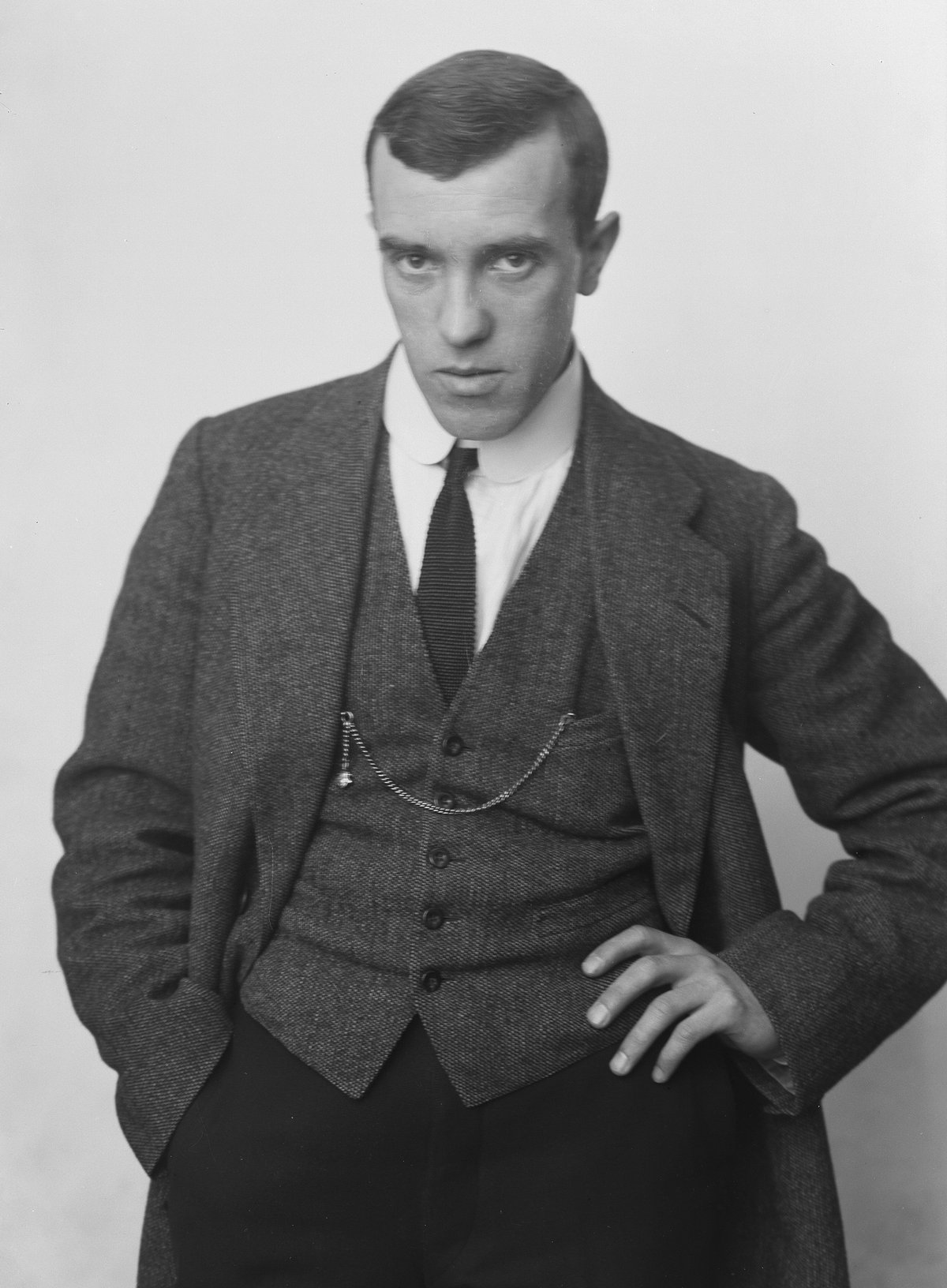
If you haven’t yet heard of Konrad Mägi (1878–1925), you’re not alone. In Estonia, he is revered as the leading modernist of his generation but in the UK, he remains unknown.
This spring, we will present the first major UK exhibition dedicated to Mägi, bringing together over 60 works, many of which have never been shown outside Estonia. It’s a rare opportunity to encounter a painter who shaped modernism from a different vantage point - not from Paris or Berlin, but from the Baltic.
He came from humble beginnings and found art relatively late
Mägi did not follow typical path for an artist. Born in rural Southern Estonia, he grew up surrounded by forests and lakes, landscapes that would later define his art, but without privileged access to cultural institutions.
He began pursuing art seriously only in his mid-twenties. Although he enrolled at the Stieglitz Art School in St Petersburg in 1902, he resisted academic rigidity. Much of his development happened independently, shaped by travel, observation and personal experimentation, rather than strict training.
That independence became one of his defining strengths.
He believed in being both Estonian and European
At the turn of the twentieth century, Estonian intellectual life was energised by a powerful idea: “Let us remain Estonians, but let us also become Europeans.”
Mägi embodied this outlook. He travelled extensively to Norway, France, Italy, Belgium and Finland, absorbing the currents of European modernism while remaining deeply connected to his homeland. His work reflects this cultural dialogue. It was international in ambition, yet rooted in the specific light, terrain and atmosphere of Estonia.
Modernism, in his hands, was not imported, it was translated.
His landscapes are emotional, even metaphysical
Mägi’s landscapes are not simply views of nature, they are expressions of inner states.
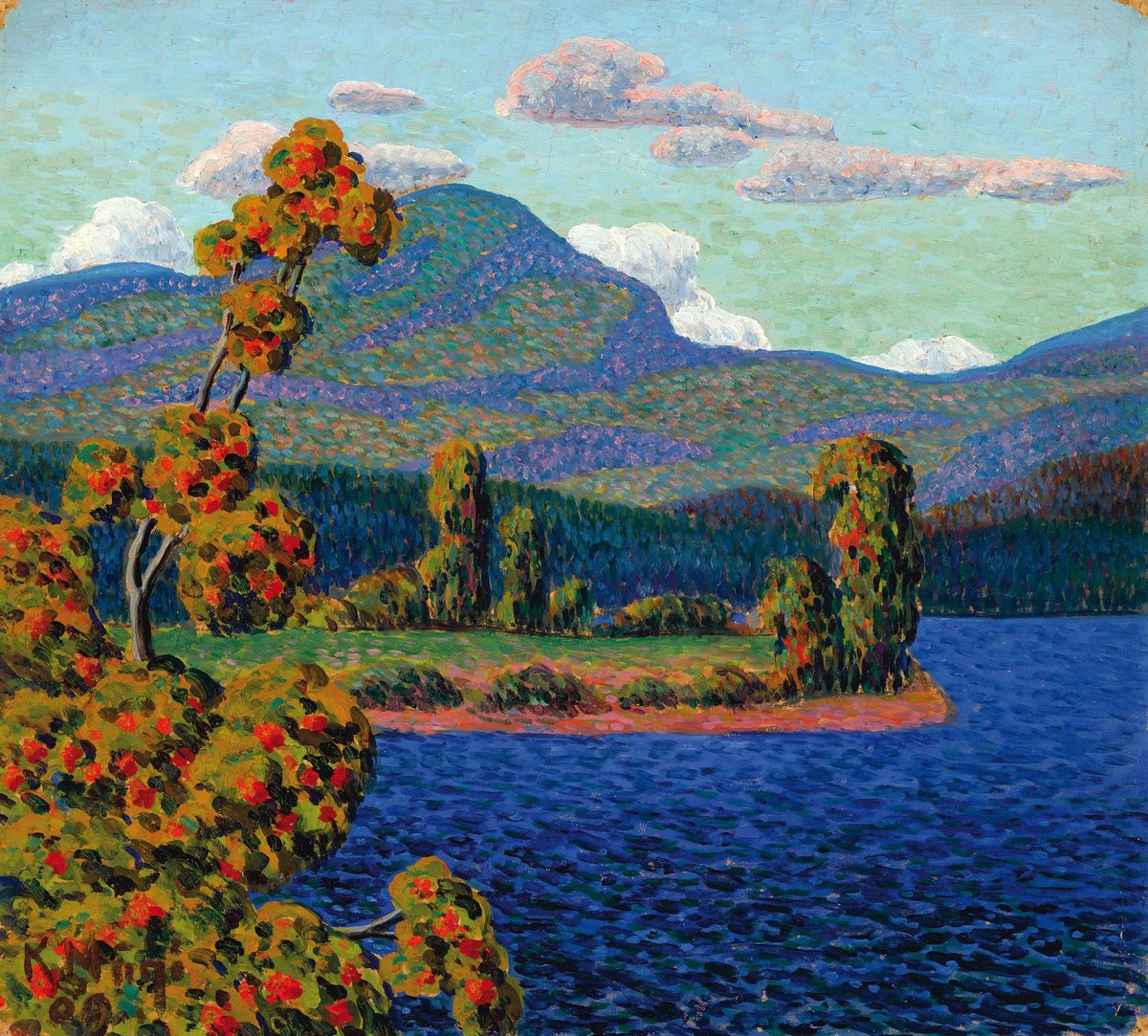
Between 1908 and 1910, during a formative period in Norway, he painted a series of landscapes that first brought him recognition. Created during a personally challenging chapter of his life, these works reveal a profound emotional intensity.
Later paintings of Southern Estonia push this even further. Lakes dominate the canvas. Skies expand dramatically. Colour becomes the primary vehicle of emotion with electric blues, vivid greens, and unexpected oranges. Nature becomes a stage for reflection.
The Baltic islands marked an artistic breakthrough
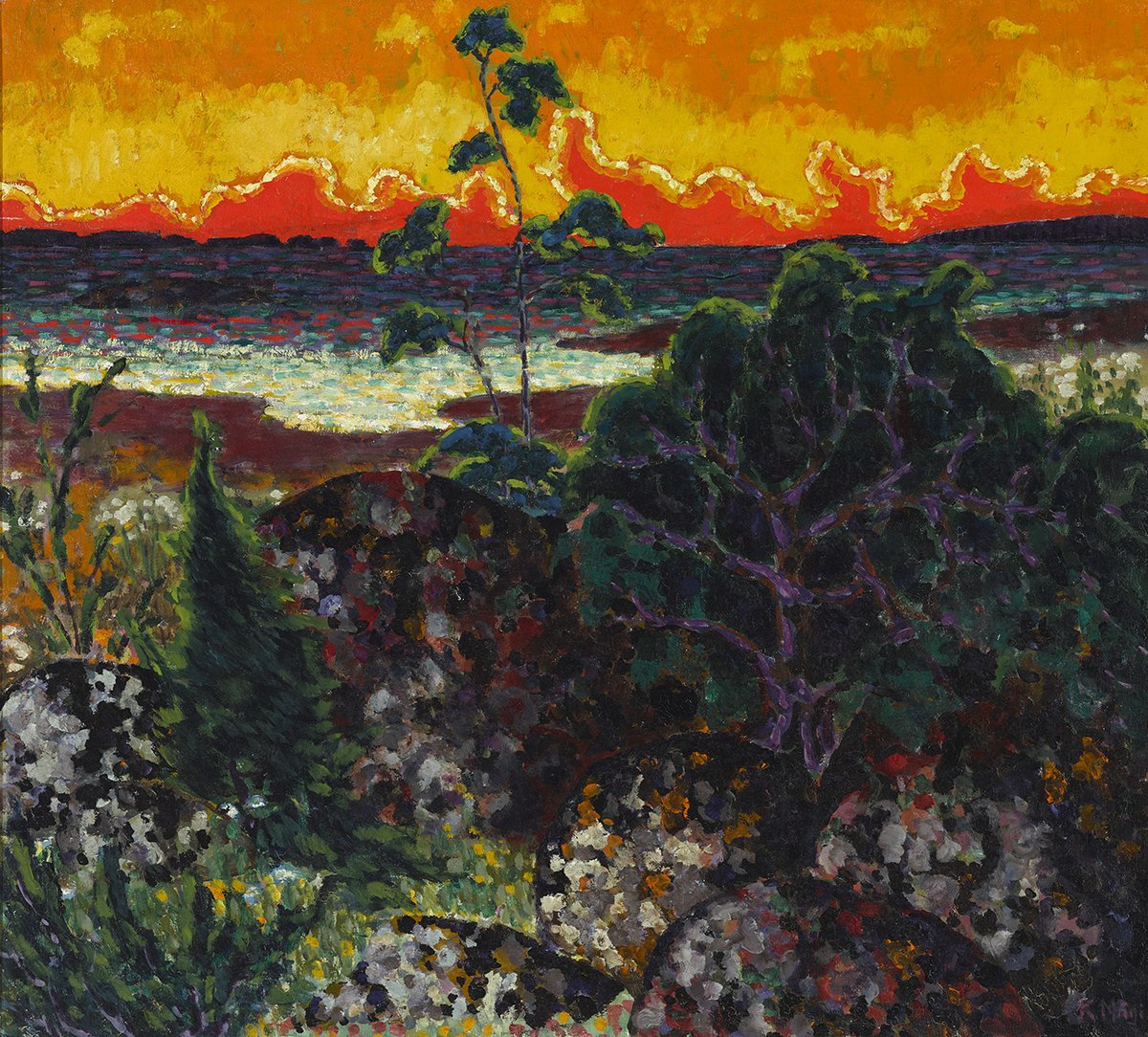
During the summers of 1913 and 1914, as his health began to decline, Mägi travelled to the Baltic islands of Saaremaa and Vilsandi. What emerged was a breakthrough.
Here, botanical detail, coastal light and sweeping horizons converge in works that feel both intensely observed and symbolically charged. Flora and fauna take on new significance and sea and sky seem almost otherworldly. These paintings mark a moment of clarity and confidence, a culmination of years of experimentation.
His portraits are radical and long overlooked
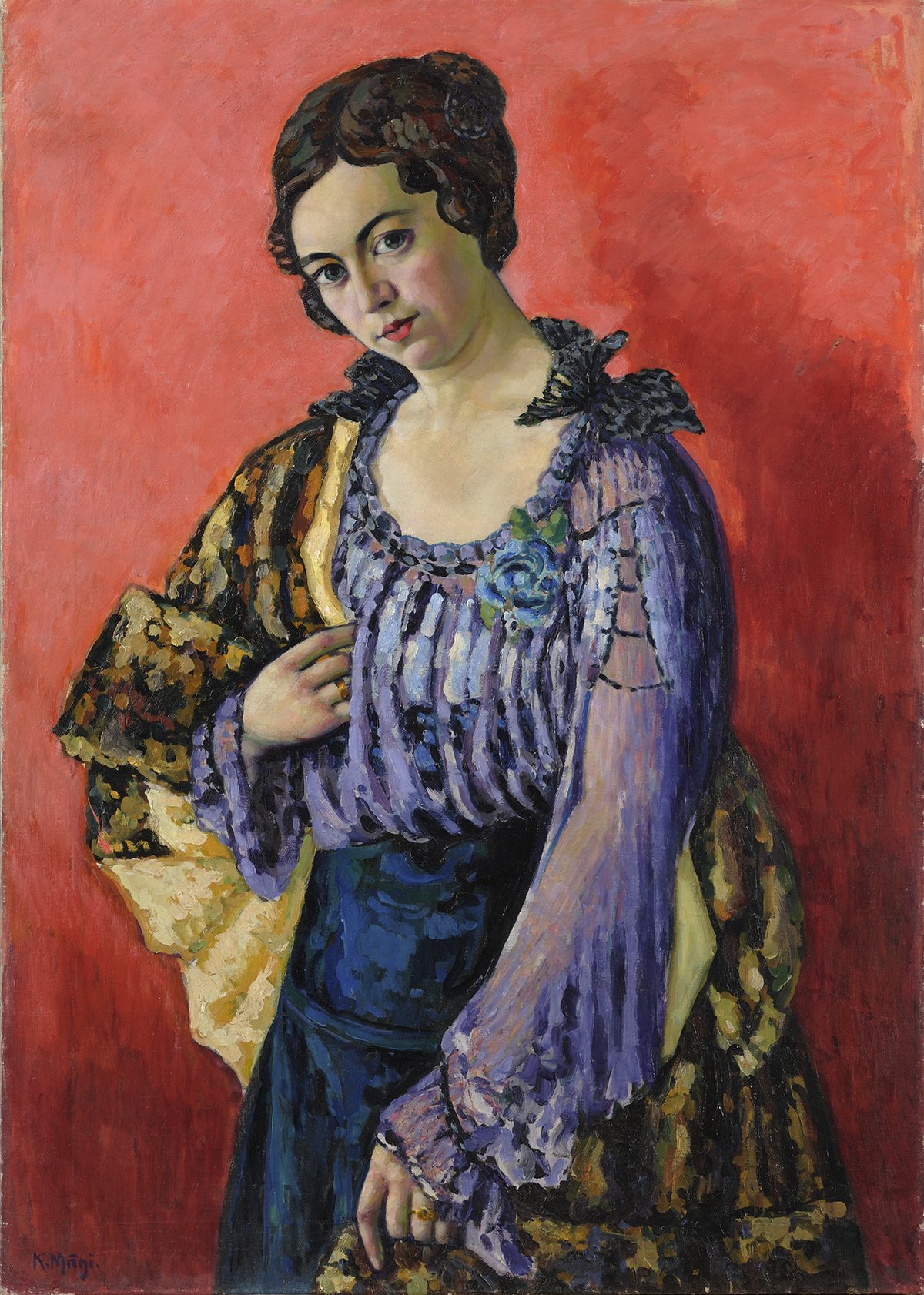
Although best known for his landscapes, Mägi was also a striking portraitist. Many of his portraits were commissioned by wealthy Estonian families, yet they are anything but conventional society likenesses.
Faces confront the viewer directly. Colour shapes mood and structure rather than merely describing appearance. Influences from Cubism and German Expressionism can be traced, but the psychological charge is distinctly his own.
This exhibition places these portraits alongside the landscapes, allowing visitors to see how his exploration of colour and emotion extended equally to the human figure.
He helped build modern Estonian art
Mägi’s influence extended beyond his studio. In 1919, he became a founding figure and the first headmaster of the Pallas Art School in Tartu, playing a crucial role in shaping the next generation of Estonian artists.
He was not only participating in modernism, he was helping to construct the artistic infrastructure of a newly independent nation.
His legacy endured political suppression
After his death in 1925, Mägi’s reputation faced turbulence. During the Soviet occupation, modernist art was sidelined and often suppressed. Yet his significance endured, and in the later twentieth century his status was firmly re-established in Estonia.
Today, he is recognised as a central figure in European modernism, though little known beyond the Baltic region. This exhibition offers UK audiences a chance to reconsider the map of modern art and to discover a painter whose work vibrates with colour, conviction and emotional depth.
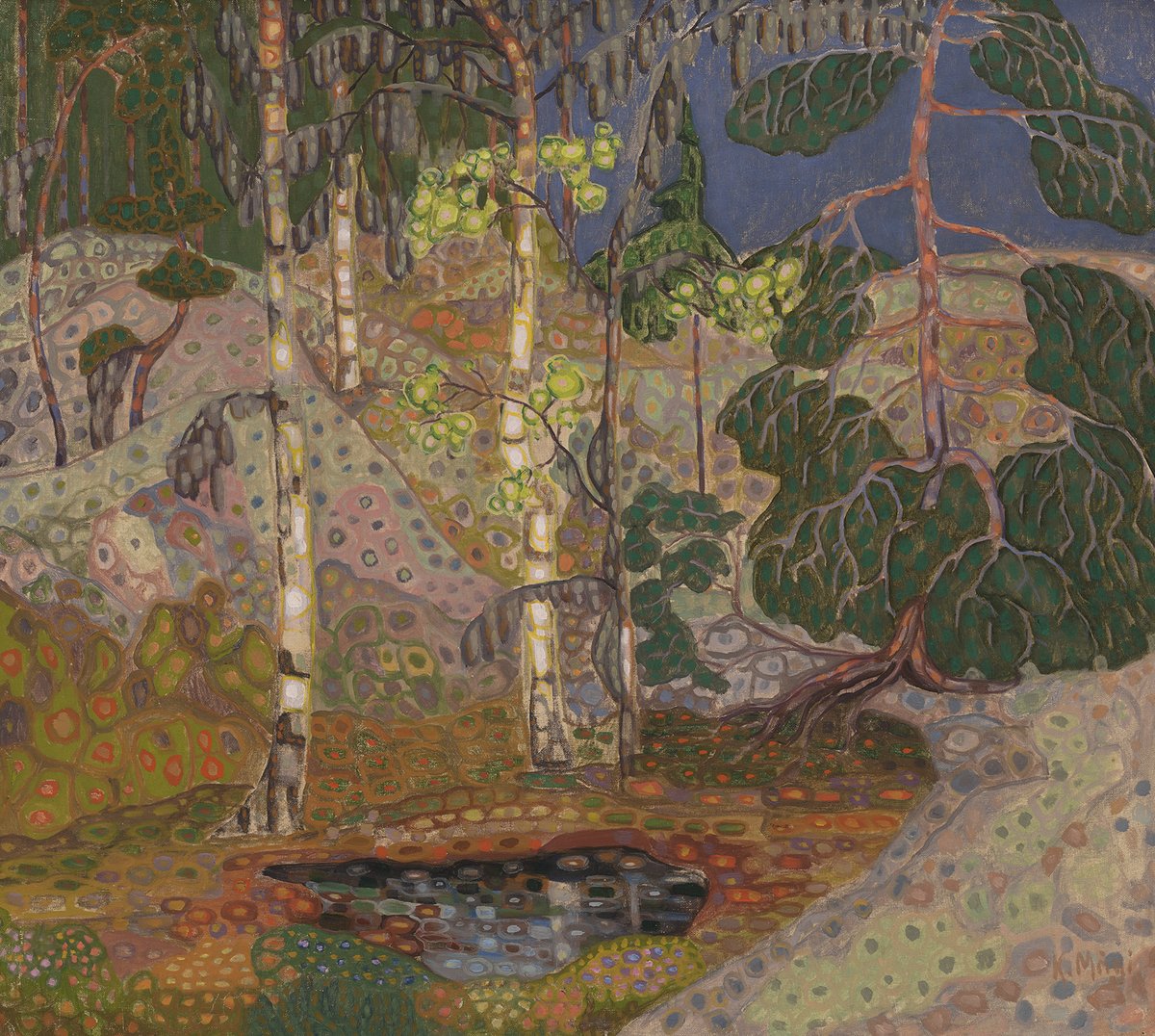
Konrad Mägi reminds us that modernism was not confined to a handful of capitals. It unfolded across Europe, in dialogue with landscape, identity and personal vision. His paintings invite us to see nature not as backdrop, but as experience charged, expressive and profoundly human.
Konrad Mägi opens 24 March and closes 12 July 2026. Book your tickets today.